
On this page
When to Redesign Your Business Website: Key Signs Performance Is Declining
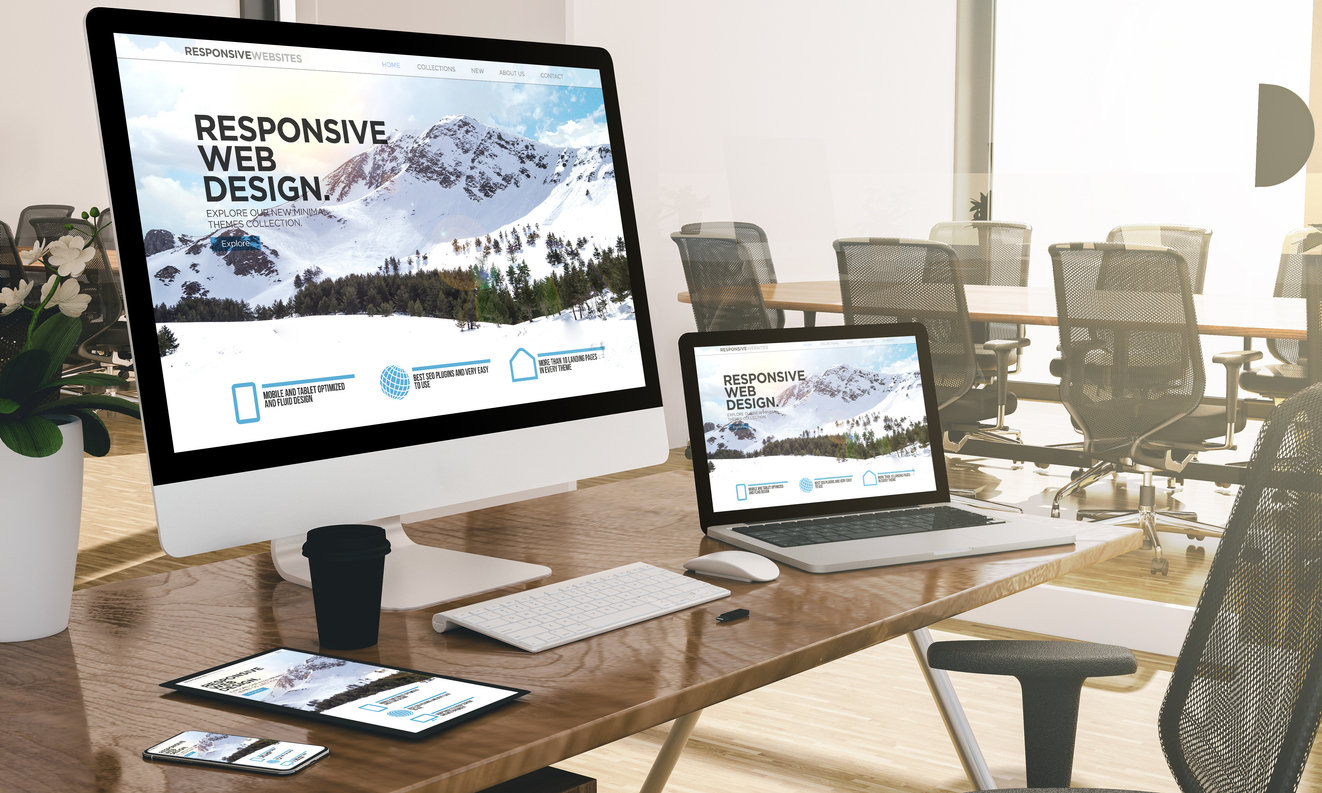 Many businesses underestimate the impact their website has on growth. If you’re noticing a dip in traffic, high bounce rates, or low conversion rates, it might be time for a redesign. Your website should not only look good but also function seamlessly to attract and retain customers.
In this blog, we’ll explore key signs that indicate your website performance is hindering growth. By understanding these triggers, you can take actionable steps to revamp your online presence, ultimately leading to improved user experience and increased business success.
Warning Signs That Your Business Website Redesign Can No Longer Wait
For many small businesses and startups, a website is often the first place potential customers interact with the brand. But when that website becomes slow, outdated, or difficult to use, it quietly works against business growth rather than supporting it. Visitors today expect quick loading pages, clear navigation, and a smooth experience across devices. When those expectations aren’t met, people rarely complain; they simply leave.
Slow Loading Speed Is Driving Visitors Away
A website that takes too long to load often loses visitors before they even see the content. Online users expect pages to open almost instantly, and delays can make a business appear unprofessional or outdated.
Example:
A local consulting firm may have a well-written services page, but if it takes several seconds to load, potential clients may leave and visit a competitor’s faster site instead.
Poor Mobile Experience Is Limiting Accessibility
Today, many customers browse websites from smartphones. If a website is difficult to read or navigate on mobile devices, businesses risk losing a large portion of their audience.
Example:
A small retail store’s website might look fine on a desktop but require constant zooming and scrolling on a phone. A potential customer trying to check store hours or product details may quickly give up.
Outdated Design Weakens Brand Credibility
Visual design plays a major role in how people judge a business online. If a website looks outdated, cluttered, or inconsistent, visitors may question the professionalism of the company behind it.
Example:
A startup offering digital marketing services might struggle to build credibility if its website uses old design layouts, mismatched colors, or outdated visuals.
Low Conversions Suggest Visitors Are Getting Lost
When website traffic doesn’t turn into inquiries, sign-ups, or purchases, it often means visitors are struggling to find what they need. Confusing navigation, unclear messaging, or poorly placed contact options can interrupt the customer journey.
Example:
A small accounting firm may receive many visitors to its website but few consultation requests because the contact form is buried deep within the site or difficult to locate.
Difficult Navigation Creates Frustration
If visitors cannot quickly find key information such as services, pricing, or contact details, they may assume the business is disorganized or unreliable.
Example:
A local home services company might list its offerings across several scattered pages without clear categories, forcing users to click through multiple menus just to understand what the company provides.
What Changes During A Business Website Redesign That Improve Performance
A business website redesign is not just about updating colors or refreshing the layout. The real goal is to create a website that works better for visitors and supports the company’s growth. A strategic redesign focuses on improving how people experience the site, how quickly they can access information, and how easily they can take action, whether that means contacting the business, booking a service, or making a purchase.
Modern User Experience That Guides Visitors Clearly
One of the biggest improvements during a redesign is the overall user experience. This involves simplifying navigation, organizing information logically, and making it easier for visitors to understand what the business offers.
Example:
A small consulting firm might redesign its website by creating clear sections for services, case studies, and contact information. Instead of visitors searching through multiple pages, they can quickly understand what the company does and how to reach out.
Mobile Optimization That Supports On-the-Go Users
Today, many customers browse business websites from smartphones or tablets. A redesign ensures the website adapts smoothly to different screen sizes and remains easy to read and navigate on mobile devices.
Example:
A local restaurant redesigns its website so that menus, location details, and reservation buttons are easy to access on a phone. Customers can quickly check menu items or call the restaurant without struggling with formatting issues.
Faster Performance That Keeps Visitors Engaged
Another key improvement during a redesign is better website performance. Faster loading pages help ensure visitors stay on the site long enough to explore products or services.
Example:
A small online retail business redesigns its website to streamline page layouts and improve overall speed. As a result, customers can browse product pages quickly without delays, making the shopping experience smoother.
Clearer Conversion Pathways That Encourage Action
A strategic redesign also focuses on guiding visitors toward meaningful actions. This includes making contact forms, booking options, or purchase buttons easier to find and understand.
Example:
A home services company redesigns its website by adding a visible “Request a Quote” button on every page. Instead of searching for contact details, potential customers can immediately take the next step.
Clear conversion pathways make it easier for visitors to become leads or customers, helping the website actively support business growth.
When these improvements come together, a modern user experience, mobile-friendly design, faster performance, and clearer conversion paths, a redesigned website becomes more than a digital brochure. It becomes a powerful business tool that strengthens credibility. Contact Ripple today to improve customer interaction and support long-term growth.
How To Approach A Business Website Redesign For Long-Term Digital Growth
A website redesign should never be treated as a simple visual refresh. For startups and small-to-medium businesses, it is a strategic decision that can shape how customers discover, evaluate, and interact with the brand online. When approached thoughtfully, a redesign helps align the website with evolving business goals, improves how users experience the brand, and creates a stronger foundation for future digital growth.
Rather than focusing only on appearance, businesses benefit from planning a redesign around long-term performance, scalability, and customer engagement. The following considerations can help guide a more strategic approach.
Align the Website With Your Brand and Business Positioning
Before starting a redesign, businesses should evaluate whether their current website accurately reflects their brand identity and value proposition. As companies grow, messaging, services, and target audiences often evolve.
Ensure the website clearly communicates what the business offers and who it serves.
Update visuals, messaging, and content structure to match the company’s current brand identity.
Create a consistent experience across pages so visitors immediately understand the brand’s credibility.
When brand alignment improves, the website becomes a stronger representation of the business in competitive markets.
Plan for Scalability and Future Growth
A website redesign should support where the business is going, not just where it is today. Planning for scalability ensures the site can grow alongside expanding services, products, or content.
Consider how new pages, services, or digital features may be added in the future.
Ensure the website structure allows for easy updates and content expansion.
Design navigation and layout in a way that can accommodate growth without becoming cluttered.
This forward-thinking approach helps prevent businesses from needing another redesign too soon.
Work With Experienced Development Teams
A successful website redesign requires both strategic thinking and technical expertise. Working with experienced development teams can help businesses translate their goals into a website that performs effectively.
Professional teams often guide businesses through improving usability, aligning the website with brand objectives, and creating scalable digital structures. For example, organizations like Ripple focus on tailored website development approaches that help growing businesses redesign their digital presence with long-term performance and adaptability in mind.
Conclusion
When it comes to your business website, recognizing the signs that indicate a redesign is essential for growth. If you notice high bounce rates, declining traffic, or poor conversion rates, these are clear indicators that your website may be holding you back. A well-structured, modern website can enhance user experience and improve SEO, driving more leads and sales. At Ripple, we specialize in creating all-in-one platforms that can elevate your online presence.