
Local SEO Optimization for U.S. Small Businesses: Fix Visibility Gaps
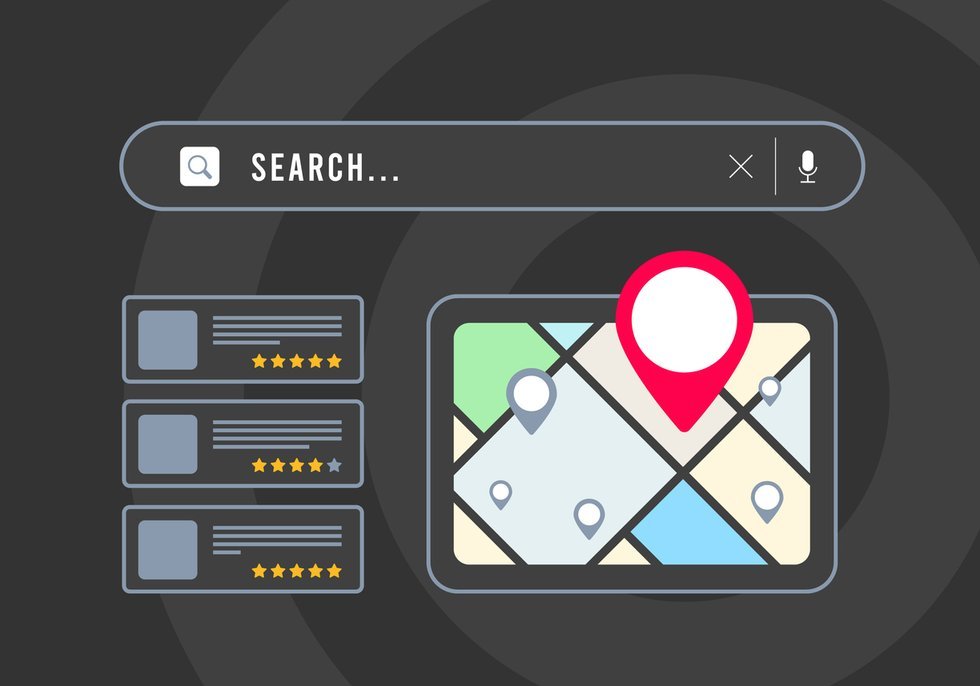 For many U.S. businesses, showing up in local search results is no longer just about having a website; it’s about how well your presence is structured across search engines, maps, and directories. When local SEO optimization is weak or inconsistent, even strong businesses struggle to appear where customers are actively searching.
This is where SEO & GEO play a critical role. While SEO helps improve traditional search rankings, GEO ensures your business is discoverable in AI-driven and generative search experiences that are rapidly shaping how users find local services.
In this blog, we explore why businesses fail to gain local visibility, what real-world scenarios look like when optimization is missing, and a step-by-step approach to improve rankings, trust, and lead generation in U.S. markets.
Why Local SEO Optimization Fails for Many U.S. Businesses?
Many U.S. businesses struggle to appear in local search results because their local SEO optimization is often incomplete or inconsistent. Instead of a strong, connected system, they rely on scattered listings, weak profiles, and generic websites. These gaps reduce website visibility in Google Search and Maps, making it harder for local customers to find them.
Google Business Profile Is Incomplete or Poorly Optimized: A poorly optimized Google Business Profile is one of the biggest reasons for low local visibility. Many businesses fail to fully set up key elements that influence rankings. Missing service categories, undefined service areas, and weak descriptions reduce relevance in U.S. local searches. Without aligning the profile with real customer intent, performance stays limited.
Inconsistent Business Information Across Platforms: Search engines depend on consistent business data to build trust. When information varies across directories, it creates confusion and lowers ranking potential. Differences in name, address, or phone number across platforms like Yelp, Bing, and local directories weaken credibility. Outdated listings further reduce the effectiveness of local SEO optimization efforts.
Website Lacks Local Search Structure: Many businesses have websites that are not designed for local discovery. Instead of targeting specific cities or service areas, they use generic content that doesn’t match how users search. Missing location-based pages and weak internal linking make it harder for search engines to understand local relevance, reducing visibility in nearby searches.
Poor Review and Reputation Management: Customer reviews strongly influence local rankings and trust, but many businesses don’t manage them strategically. Without a structured system for collecting and responding to reviews, opportunities for visibility are lost. Lack of engagement also weakens reputation signals that support stronger local SEO optimization.
Weak Local Keyword Targeting Strategy: Another major issue is poor keyword alignment. Many businesses fail to include city-specific or service-based search terms in their content. This leads to generic visibility that doesn’t capture high-intent local traffic in U.S. markets.
Low Engagement Signals from Local Users: Search engines also consider engagement signals like clicks, calls, and direction requests. When users don’t interact with listings, rankings decline. Low engagement often reflects weak optimization and reduces overall local search performance.
Real-World Scenarios: Local Businesses Losing Visibility in U.S. Search Results
In many U.S. markets, local SEO optimization gaps don’t just affect rankings; they directly impact how customers discover and choose local services. Even strong businesses with quality offerings often lose visibility because their digital presence is not properly optimized for local intent.
These real-world scenarios highlight how visibility failures translate into missed opportunities and reduced growth.
1. A Plumbing Business Gets No Calls Despite a High-Demand Area
A plumbing business operating in a high-demand U.S. city still receives minimal calls because competing listings dominate Google Maps. Even though the service quality is strong, poor local SEO optimization prevents it from appearing in the top results. Without proper optimization, potential customers never reach the business, while competitors with better visibility capture most of the traffic.
2. Restaurant Appears in Search but Loses to Nearby Competitors
A restaurant shows up in local search results but still struggles to attract customers. Weak reviews, outdated business information, and limited engagement reduce trust. Nearby competitors with stronger local SEO optimization and more active profiles attract more clicks, visits, and reservations, even if the food quality is similar.
3. Service Provider Ranks in Wrong Cities
Some service-based businesses face a different issue: they rank in locations they don’t actually serve. Traffic comes from outside their service area, leading to irrelevant leads. This happens due to missing geo-targeted optimization and weak location signals, resulting in wasted marketing efforts and low conversion rates.
4. Paid Ads Work but Organic Local Traffic Fails
A business may rely heavily on paid ads because organic visibility is weak. While ads bring short-term leads, the lack of strong local SEO optimization makes long-term growth expensive and unstable. Without organic visibility, customer acquisition becomes dependent on continuous ad spend instead of sustainable search presence.
To fix these challenges, platforms like Ripple, with its intelligent SEO & GEO optimization, help businesses improve visibility through structured optimization strategies that strengthen both traditional search and AI-driven discovery.
Step-by-Step Actions to Improve Local SEO Optimization and Visibility in U.S. Markets
Improving local SEO optimization requires a structured approach that connects your Google presence, website, and reputation into one consistent system. For U.S. businesses, the goal is not just ranking higher, but becoming easily discoverable and trustworthy in local search results where customer intent is strongest.
Step 1: Strengthen Google Business Profile for Local Search Visibility
Your Google Business Profile acts as the first impression for most local customers, so it needs to be fully optimized and aligned with search intent.
Ensure your primary and secondary categories accurately reflect your core services so Google can properly match your business with relevant local searches across U.S. regions, especially when users search for specific service needs in their area.
Write detailed business descriptions that naturally include services, locations, and customer intent signals instead of generic text, helping improve visibility in both map packs and organic local results.
Define service areas clearly so your business appears in the right U.S. cities and neighborhoods where demand exists, rather than attracting irrelevant traffic.
Step 2: Build Consistent Local Citations Across Trusted Directories
Citations help search engines verify your business identity and build trust across platforms.
Maintain identical NAP (Name, Address, Phone) details across all directories to eliminate confusion and ensure search engines recognize your business as a single, authoritative entity in the U.S. local ecosystem.
Audit and update listings across platforms like Yelp, Bing Places, and industry-specific directories to remove outdated or duplicate entries that can dilute your local SEO optimization efforts.
Step 3: Create Location-Focused Pages That Match Search Intent
Location-based pages help connect your services with high-intent local searches.
Develop dedicated landing pages for each city or service region you operate in, ensuring content reflects real user intent and local demand patterns rather than generic messaging.
Integrate naturally placed local keywords within headings, descriptions, and service explanations to improve relevance without over-optimization.
Step 4: Build a Review and Engagement System That Drives Trust
Reviews directly influence both rankings and customer decisions in local search.
Implement a structured process to consistently request reviews after service completion, ensuring a steady flow of authentic customer feedback across platforms like Google.
Actively respond to all reviews to demonstrate engagement and improve trust signals, which strengthens both reputation and local ranking performance.
FAQ
Q1: How quickly does local SEO optimization show results?
Results typically build gradually as your listings, content, and engagement signals strengthen and stabilize across multiple platforms.
Q2: Are reviews important for local rankings?
Yes, reviews are one of the strongest trust and ranking signals for local search visibility in the U.S.
Q3: Is a Google Business Profile enough for visibility?
No, it must be supported with citations, optimized website pages, and consistent engagement signals for full effectiveness.
Ready to improve your visibility and attract more local customers? Book a demo with Ripple today and build a stronger, more effective local SEO optimization strategy for your business.
In a Nutshell
Local visibility doesn’t depend on luck; it depends on how well your business is optimized across search systems, listings, and customer engagement channels. When local SEO optimization is executed correctly, it improves not just rankings, but also trust, conversions, and long-term growth.
By combining structured SEO with evolving GEO practices, U.S. businesses can stay visible across both traditional search and AI-powered discovery platforms.
If your business is struggling to appear in local searches or convert visibility into leads, it’s time to fix the foundation. Reach out to Ripple and start building a stronger, more visible local presence that drives real business growth.